
March 24, 2026
All About Ylang Ylang Essential Oil

All About Ylang Ylang Oil
The "flower of flowers" — from calming a racing heart to supporting focus, this one essential oil wears many crowns.
The Short Version
- Ylang Ylang (Cananga odorata) is known as the "flower of flowers" — its name literally translates to this in the Tagalog language of the Philippines.
- The oil is produced in multiple distillation fractions: Extra, Grade I, Grade II, Grade III, and Complete — each with a different aromatic character and best use.
- It is one of aromatherapy's most powerful emotional oils — calming anxiety, lowering elevated heart rate, and supporting a sense of peace and groundedness.
- Research supports its role in reducing high blood pressure, slowing rapid heartbeat (tachycardia), and calming the nervous system.
- Emerging evidence and anecdotal aromatherapy practice suggest benefits for ADHD, autism spectrum support, and sensory regulation.
- Ylang Ylang is a cornerstone of high perfumery — present in iconic fragrances including Chanel No. 5.
- Its main active compound, linalool, is widely studied for anxiolytic (anti-anxiety) effects.
The Flower of Flowers
Ylang Ylang (Cananga odorata) is a tropical flowering tree native to the Philippines, Indonesia, and the Polynesian islands, where it thrives in warm, humid climates. The tree grows rapidly — up to 12 feet per year — and produces striking, star-shaped flowers with long, drooping yellow-green petals that are intensely fragrant, especially in the early morning when they contain the highest concentration of volatile aromatic compounds.
The name "ylang ylang" comes from the Tagalog word ilang-ilang, meaning "flower of flowers" or "wilderness" — a nod to its wild, intoxicating fragrance that seems to transcend ordinary blooms. In the Philippines and Indonesia, the flowers have been strewn across the beds of newlyweds for centuries as an aphrodisiac and symbol of love. In Melanesian tradition, the fragrant flowers were mixed with coconut oil to create Borneo macassar oil — a hair and skin treatment documented since at least the 18th century.
In Ayurvedic and traditional Asian medicine, ylang ylang was used to treat fevers, malaria, asthma, headaches, and skin infections. French chemists Garnier and Rechler first distilled the essential oil in 1864 in Manila, and by the early 20th century, its use in European perfumery had exploded. Today, the island of Nosy Be, Madagascar and the Comoros Islands are the world's leading producers, with Comoros supplying an estimated 50–70% of global ylang ylang essential oil.
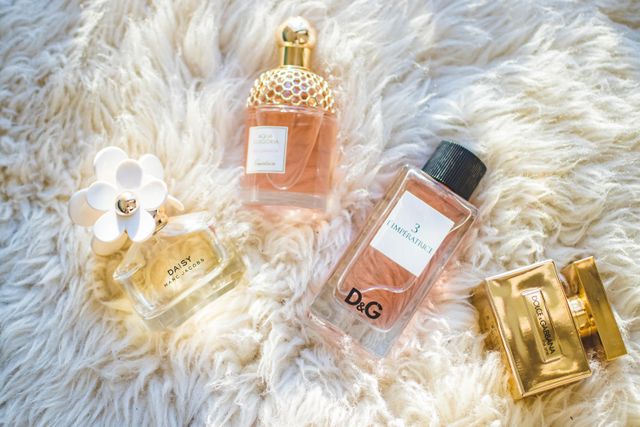
Ylang Ylang is one of the key ingredients in the world's most famous perfume — Chanel No. 5, created in 1921. It remains in the top notes of that iconic fragrance to this day, alongside rose and jasmine.
The Three Grades of Ylang Ylang Oil
Here is where ylang ylang gets truly fascinating — and where knowing your oil matters. Unlike most essential oils that are distilled in one pass, ylang ylang is traditionally distilled using a technique called fractional distillation. The flowers are steam-distilled continuously, and the oil is drawn off at different intervals. Each fraction collected has a different chemical profile, aroma intensity, and best application. The fractions are labeled Extra, Grade I, Grade II, Grade III — and there is also Complete, which is the unfractionated whole oil.
Ylang Ylang Extra
First fraction · Collected in the first 1–2 hours of distillationYlang Ylang Extra is the crème de la crème of ylang ylang oils. It is the first oil to come off the still and contains the highest concentration of the lightest, most aromatic molecules. The scent is intensely sweet, heady, and floral — the version most prized by perfumers. It is the grade most closely associated with the "ylang ylang scent" most people recognize from fine fragrances.
Best for: Fine perfumery, personal fragrance blending, romance and mood-elevating diffusion blends, luxury skincare applications.
- Luxury perfumery
- Mood elevation
- Romance diffusion blends
- High-end skin serums
Ylang Ylang Grade I
Second fraction · Collected approximately 2–3 hours into distillationGrade I is considered the gold standard for therapeutic aromatherapy use. While it has a slightly less intense aroma than Extra, its chemical balance makes it the most versatile grade for addressing emotional, physical, and wellness concerns. It is the grade most commonly used in clinical aromatherapy practice for blood pressure support, anxiety relief, and mood balancing.
Best for: Therapeutic blending, diffusion for anxiety and stress relief, blood pressure and heart rate support, massage blends, roll-ons, and body care.
- Therapeutic diffusion
- Anxiety & stress relief
- Blood pressure support
- Massage oils & roll-ons
- Body care formulations
Ylang Ylang Complete
Full distillation · All fractions collected together (or re-blended after separation)Ylang Ylang Complete is produced either by distilling the flowers for the full 12–20 hours without separating fractions, or by re-blending the separately collected fractions. The result is a full-spectrum oil that represents the complete aromatic and therapeutic character of the flower. Many holistic aromatherapists prefer Complete because it offers the "whole plant" synergy — all the light, middle, and heavier molecules working together.
Best for: Hair care and scalp treatments (particularly effective for hair growth and scalp nourishment), holistic body care, complex therapeutic blends, and applications where a rounded, complex ylang ylang scent is desired.
- Hair masks & scalp oils
- Holistic body care
- Complex therapeutic blends
- Full-spectrum aromatherapy
- Natural perfumery (base/heart notes)
A complete distillation of ylang ylang flowers can last up to 20 hours. The Extra fraction comes off in the first hour or two; Grades I, II, and III follow sequentially. This is why Extra is the most expensive — it represents a small fraction of the total yield, and the distiller must stop the process at precisely the right moment to collect it.
Active Constituents
Ylang ylang's remarkable versatility comes from its rich, complex chemical profile. The exact percentages vary by grade, origin, and season, but here are the primary active compounds and what they contribute:
- Anxiolytic (anti-anxiety)
- Sedative — calms CNS
- Antidepressant
- Anti-inflammatory
- Analgesic
- Primary floral aroma compound
- Calming to nervous system
- Antispasmodic
- Skin conditioning
- Anti-inflammatory
- Antifungal
- Mood-lifting
- Skin-soothing
- Anti-inflammatory
- Analgesic
- Antioxidant
- Neuroprotective
- Calming, sedative
- Antifungal
- Skin conditioning
- Fixative for fragrance
- Antispasmodic
- Smooth muscle relaxant
- Characteristic ylang aroma
- Anesthetic properties
- Antiseptic
- Anti-inflammatory
- Insect repellent
- Antimicrobial
Note: Ylang Ylang Extra will be highest in benzyl acetate and linalool (the lighter molecules), while Complete contains higher sesquiterpenes like β-caryophyllene and germacrene-D. This is why Complete is often preferred for physical and hair care applications while Extra and Grade I are preferred for emotional and perfumery applications.
Blood Pressure, ADHD & Autism Support
Ylang Ylang is one of the most researched essential oils for its effects on the nervous system. Here is what the science and clinical aromatherapy practice say about three areas of growing interest:
High Blood Pressure & Heart Rate
Ylang ylang has one of the strongest evidence bases of any essential oil for its effects on the cardiovascular system. Studies show that inhaling ylang ylang essential oil significantly reduces systolic and diastolic blood pressure and lowers an elevated heart rate (tachycardia) — within as little as 5 minutes of inhalation.
A key 2006 study (Hongratanaworakit & Buchbauer) found that ylang ylang significantly decreased blood pressure and heart rate after transdermal absorption. The oil appears to work by activating the parasympathetic nervous system (the "rest and digest" mode), effectively countering the "fight or flight" stress response.
Its primary constituent linalool is thought to be key to this effect — it acts on GABA receptors in the brain similarly to how some anti-anxiety medications work, producing a calming, tension-releasing response.
⚠ Note: Because of its hypotensive (blood pressure-lowering) effects, ylang ylang should be used with caution by those already on blood pressure medication. Consult your healthcare provider before use.
ADHD & Focus Support
Ylang ylang is increasingly used in integrative and holistic approaches to ADHD management. While it may seem counterintuitive to use a calming oil for a condition often associated with inattention, the underlying mechanism makes sense: many people with ADHD have dysregulated cortisol and elevated nervous system arousal, and ylang ylang's ability to calm the nervous system and reduce stress hormones can create the conditions for improved focus.
Aromatherapy practitioners commonly recommend ylang ylang as part of a focus blend — often combined with vetiver (grounding), lavender (calming), and cedarwood (steadying) — used in personal inhalers or roller bottles worn throughout the school day or work session.
Its sedative properties also support sleep quality, which is frequently disrupted in those with ADHD, further improving daytime regulation and concentration capacity.
📖 Best application: Personal inhaler blend or roll-on worn on the wrist. Diffusion during homework or work sessions. Not a replacement for clinical treatment — a supportive tool alongside it.
Autism Spectrum Support
Aromatherapy is gaining recognition in autism spectrum support circles for its ability to support sensory regulation, reduce anxiety, and promote calm without verbal or cognitive demands. Many autistic individuals experience heightened anxiety, sensory sensitivity, and difficulty with transitions — areas where calming essential oils can play a supportive role.
Ylang ylang is often included in calming blends for sensory support — its deeply floral, warm aroma can be grounding and predictably comforting when introduced gradually. Importantly, some autistic individuals may find very strong florals overwhelming; starting with a highly diluted application or diffusing at low intensity is recommended.
The combination of ylang ylang with lavender, bergamot, and cedarwood is popular in autism-supportive aromatherapy for creating a consistent, calming "anchor scent" — a familiar smell that can signal safety and calm during stressful transitions.
💜 Important: Every individual on the autism spectrum is unique. Always introduce new scents slowly and with consent. Observe individual responses carefully — what calms one person may be overwhelming for another.
What Ylang Ylang Can Do
Beyond its neurological and cardiovascular effects, ylang ylang offers a wide range of cosmetic, medicinal, and aromatic applications:
Stress & Anxiety Relief
Diffusing ylang ylang creates a deeply calming atmosphere. Its linalool content interacts with the limbic system to reduce cortisol and promote emotional ease.
Aphrodisiac & Romance
Traditionally used as a natural aphrodisiac in Philippines and Indonesian cultures. Its warm, sensual floral scent promotes intimacy and emotional connection.
Hair Growth & Scalp Health
Ylang ylang stimulates the scalp, promotes circulation, and can support hair growth. Complete grade is preferred — add 3–5 drops to a carrier oil for a scalp treatment.
Skin Balancing
Particularly helpful for combination and oily skin — ylang ylang helps regulate sebum production while its antimicrobial properties keep pores clear. Always dilute.
Sleep Support
Its sedative properties make it excellent for bedtime diffusion. Blend with lavender and vetiver to create a deeply calming pre-sleep ritual.
Mood Elevation & Antidepressant
Ylang ylang's uplifting floral scent can combat feelings of sadness, grief, and low mood. Its balance of calming and brightening effects makes it unique.
Muscle Relaxation
The antispasmodic compounds in ylang ylang (benzyl benzoate, linalool) help ease muscle tension and cramps when diluted in a massage oil.
Antiseptic & Antimicrobial
Ylang ylang has demonstrated antimicrobial and antifungal activity, making it useful in natural skin cleansers and surface sprays.
Natural Perfumery
A classic heart-to-base note in natural fragrance. Ylang Ylang Extra is used in high-end perfumery; Complete adds depth and complexity to personal fragrance blends.
Ylang Ylang In Our Collection
We carry two Ylang Ylang products — one for the DIY blender who wants pure therapeutic-grade oil, one for those who want the benefits in a beautifully crafted, ready-to-use format.
6 Ways to Use Ylang Ylang at Home
All recipes below use properly diluted essential oils. Always perform a patch test before skin application. These are for adults unless otherwise noted.
Calm & Ground Diffuser Blend
Ingredients (per diffuser)- 3 drops Ylang Ylang Grade I
- 2 drops Lavender
- 2 drops Bergamot
- 1 drop Vetiver
Add to your diffuser with water per manufacturer guidelines. Diffuse for 30–60 minutes. Ideal for unwinding after a stressful day, before bed, or during meditation.
Focus & Calm Roll-On
Ingredients (10ml roller bottle)- 3 drops Ylang Ylang Grade I
- 4 drops Vetiver
- 3 drops Cedarwood
- 2 drops Lavender
- Fill with Fractionated Coconut Oil
Apply to wrists, back of neck, or behind ears before work or study sessions. Safe for adults; for children 6+, halve the essential oil drops. The grounding, calming blend supports nervous system regulation.
Heart Ease Massage Blend
Ingredients (1oz / 30ml)- 4 drops Ylang Ylang Grade I
- 3 drops Marjoram
- 3 drops Lavender
- 2 drops Frankincense
- 30ml Sweet Almond Oil (carrier)
Massage onto the chest, shoulders, and back of neck. Breathe deeply. Supports relaxation and is used in aromatherapy practice for emotional heart support and stress-related tension.
Scalp Nourishing Hair Oil
Ingredients (2oz / 60ml)- 6 drops Ylang Ylang Complete
- 4 drops Rosemary (ct. camphor)
- 3 drops Cedarwood
- 2 drops Clary Sage
- 30ml Jojoba Oil + 30ml Coconut Oil
Warm slightly in hands and massage into scalp. Leave for 30–60 minutes (or overnight with a shower cap). Shampoo out thoroughly. Use 1–2x per week to support hair growth and scalp health.
Calming Anchor Blend
Ingredients (personal inhaler or 10ml roller)- 2 drops Ylang Ylang Extra
- 3 drops Lavender
- 2 drops Bergamot (FCF)
- 2 drops Cedarwood
- 1 drop Vetiver
For inhaler: add to cotton wick. For roller: fill with fractionated coconut oil. Introduce slowly and observe response. Designed as a gentle, consistent "anchor scent" for transitions and calming moments. Start with fewer drops of ylang ylang for sensitivity.
Flower of Flowers Body Oil
Ingredients (2oz / 60ml)- 4 drops Ylang Ylang Extra
- 3 drops Jasmine Absolute
- 3 drops Rose Geranium
- 2 drops Sandalwood
- 60ml Jojoba Oil (carrier)
Smooth onto skin after a bath or shower as a luxurious, sensual body oil. The intensely floral blend is warming, grounding, and deeply indulgent. A little goes a long way — ylang ylang Extra is potent!
What Ylang Ylang Blends With
Ylang ylang is a heart-to-base note with an intensely rich, sweet, floral character. A little goes a very long way — it can easily overpower a blend if used in excess. Start with 1–2 drops maximum in any blend and adjust from there. It pairs beautifully with:
Bold tags = especially recommended pairings. Ylang ylang bridges florals, woods, and citrus beautifully — making it one of the most versatile heart notes in aromatherapy blending.
The "less is more" rule is especially true with ylang ylang. 1–2 drops per 10ml of carrier oil (1–2% max dilution in a blend) is typically enough to get the full therapeutic and aromatic effect. More than 3–4 drops in a blend can create a headache-inducing, overpowering result. When in doubt, go lighter!
Fun Facts About Ylang Ylang
Ylang ylang is one of the top notes in Chanel No. 5, first created in 1921 by perfumer Ernest Beaux for Coco Chanel. It remains one of the best-selling perfumes in the world over 100 years later — and ylang ylang is still in the formula.
Ylang ylang flowers are harvested before sunrise — typically between 4am and 8am — because this is when the blooms contain the highest concentration of aromatic oils. By mid-morning, the volatile compounds begin to evaporate and the yield drops significantly. Flower pickers often begin their work in the dark.
In the Philippines and Indonesia, ylang ylang flower garlands are draped over the beds of newlyweds on their wedding night — a centuries-old tradition honoring the flower's reputation as a powerful aphrodisiac and symbol of deep love and sensuality.
The Comoros Islands and Madagascar together supply approximately 70–80% of the world's ylang ylang essential oil. The Comoros Islands — a tiny archipelago off East Africa — have been called "the perfume islands" in part because of their ylang ylang dominance. The oil is one of the islands' most important export commodities.
The Cananga odorata tree is one of the fastest-growing tropical trees in the world, capable of growing up to 20 feet in its first year under ideal conditions. In plantation settings, the trees are often pruned low to keep flowers within reach of hand-pickers — creating the iconic "umbrella" shape of ylang ylang farms.
The 19th century European craze for "macassar oil" — a ylang ylang-infused hair pomade imported from Sulawesi (then called Macassar) — was so intense that the Victorians invented a protective fabric placed over the backs of chairs to keep the oily residue off furniture. This is where the word "antimacassar" (those decorative chair back covers) comes from!
Using Ylang Ylang Responsibly
Ylang ylang is generally considered safe when used as directed, but its intensity means extra care is warranted. Here are the key safety considerations:
- Dilute thoroughly. Recommended dilution: 0.8–1% for face; 1–2% for body (approximately 2–4 drops per 30ml carrier oil). Undiluted application can cause sensitization.
- Potential sensitizer. Benzyl benzoate and benzyl salicylate in ylang ylang are classified IFRA-restricted allergens. Avoid if you have known sensitivity to these compounds.
- Headache at high doses. Ylang ylang's potency means overuse — in diffusion or in overly concentrated blends — can cause headaches and nausea. Use sparingly.
- Blood pressure caution. Due to its hypotensive effects, use with caution if you are already on blood pressure medication. Consult your healthcare provider.
- Low blood pressure. If you already have low blood pressure (hypotension), use with caution as ylang ylang can lower it further.
- Pregnancy. Generally considered safe in aromatherapy dilutions during pregnancy, but consult your midwife or healthcare provider first.
- Children under 2. Not recommended for use on or near children under 2 years old. For children 2–6, use only highly diluted (0.5%) and diffuse at low intensity.
- Patch test first. Always perform a patch test on a small area of skin 24 hours before full application, especially if you have sensitive skin.
- Not for ingestion. Essential oils should never be ingested unless under direct supervision of a qualified clinical aromatherapist or medical doctor.
- Pets. Cats are particularly sensitive to many essential oils including ylang ylang. Diffuse with caution and ensure pets can leave the room. Avoid direct application to pets.
Safety information compiled from NAHA guidelines, Tisserand & Young (Essential Oil Safety, 2nd ed.), and IFRA standards. This post is for educational purposes only and does not replace medical advice.


